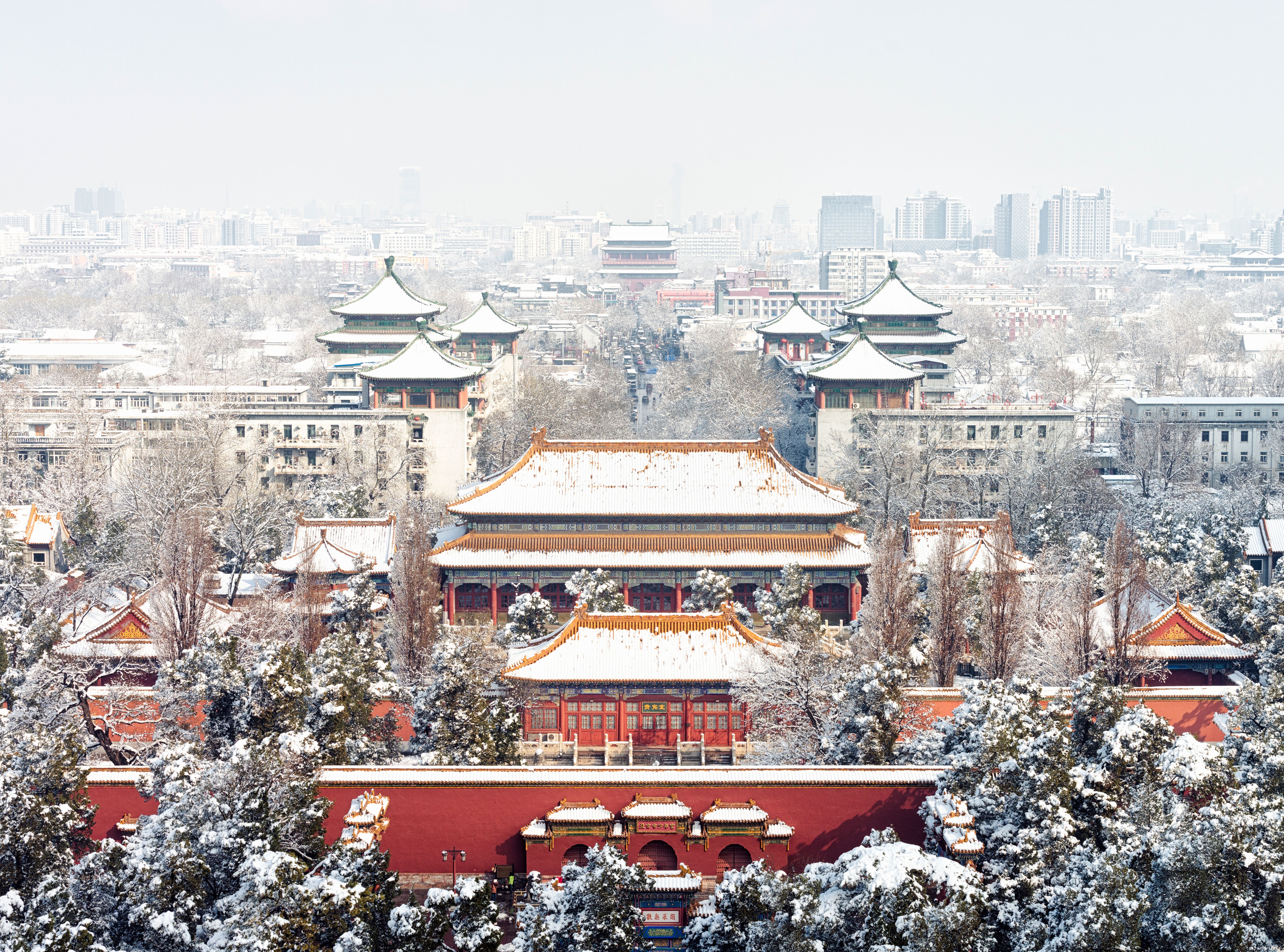
Seasonal Travel Trends in Mainland China: A Guide for Travel Agents


Introduction to Seasonal Travel in Mainland China
As a travel agent, understanding seasonal travel trends in Mainland China can help you craft unforgettable experiences for your clients. From the blossoming landscapes of spring to the festive celebrations of winter, each season in China offers distinct attractions and activities. In this guide, we'll explore how to tailor travel plans according to these vibrant seasonal changes.

Spring: Blossoms and Festivals
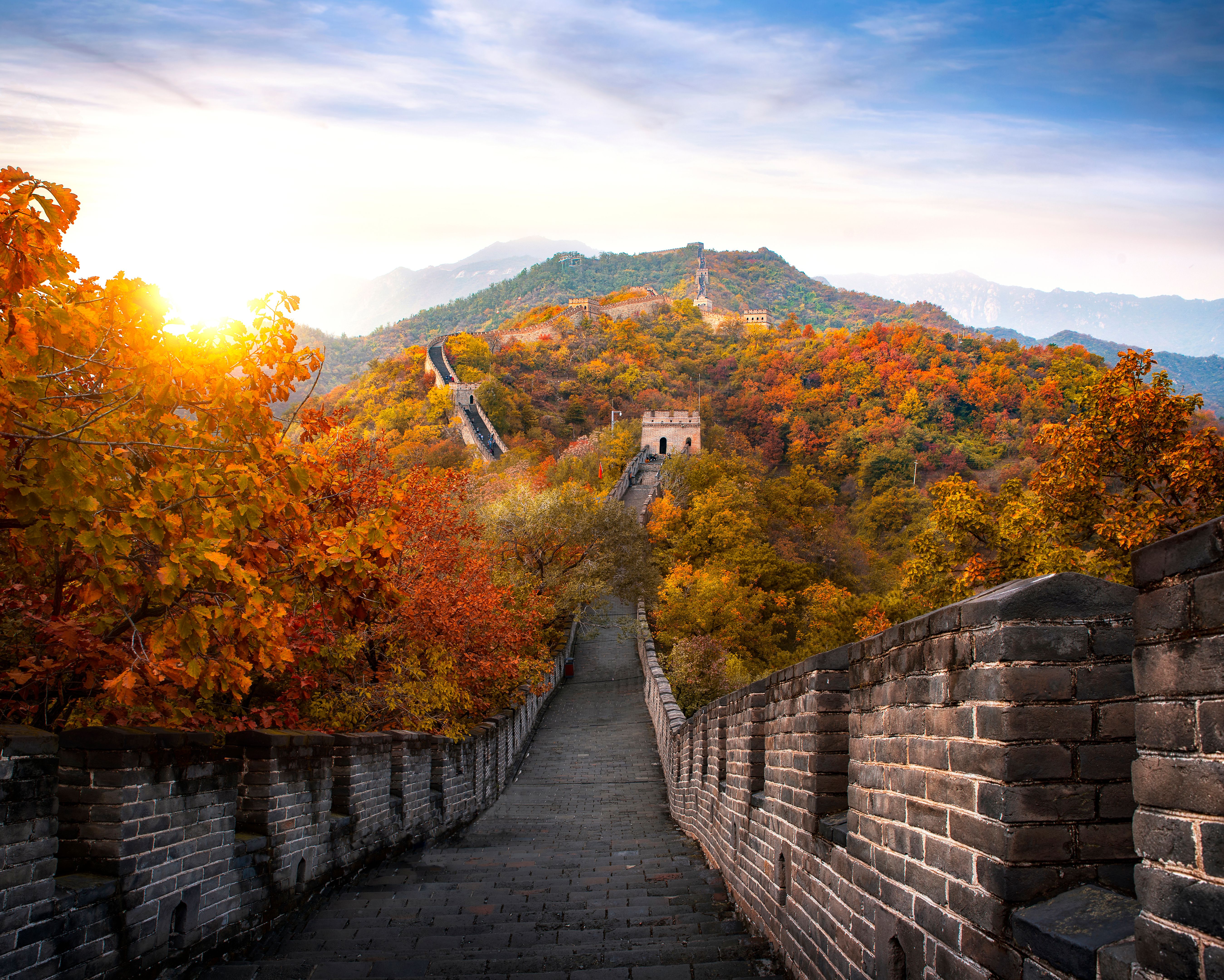
Spring in China, from March to May, is a time of renewal and beauty. The famous cherry blossoms in cities like Beijing and Wuhan attract both locals and tourists. Encourage your clients to visit the Great Wall during this period, as the weather is mild, and the scenery is lush with blossoms.
Additionally, spring is the season of festivals. The Qingming Festival, also known as Tomb-Sweeping Day, offers a cultural glimpse into traditional Chinese customs. Travel agents should consider organizing tours that incorporate local festivities for an immersive experience.
Summer: Adventure and Exploration
From June to August, summer brings warmth and the opportunity for outdoor adventures. The picturesque landscapes of Guilin and the stunning beaches of Hainan Island are perfect for those seeking both relaxation and exploration. Encourage clients to explore the Li River by boat or hike the majestic Huangshan (Yellow Mountains).

Summer is also the time for the famous Dragon Boat Festival, held in June. Travel agents can offer special packages that include attending a local dragon boat race, providing an exciting cultural experience.
Autumn: Scenic Beauty and Harvest
Autumn, from September to November, is arguably the most beautiful season in China. The weather is pleasant, and the landscapes transform into a tapestry of red, orange, and gold. Destinations like Jiuzhaigou National Park and the Longji Rice Terraces are perfect for those passionate about photography and nature.
The Mid-Autumn Festival, celebrated with mooncakes and lanterns, occurs during this season. Consider arranging themed tours that highlight these cultural elements, offering your clients a unique taste of Chinese traditions.
Winter: Festivities and Snow Adventures
Winter in China, from December to February, brings a different kind of charm. The Harbin Ice Festival, with its stunning ice sculptures, is a must-see event. Encourage your clients to experience the thrill of skiing in the winter resorts of Heilongjiang and Jilin provinces.
The Chinese New Year, falling in late January or early February, is the highlight of the winter season. This festive time is filled with vibrant parades, fireworks, and traditional performances. Travel agents can offer special itineraries that include these celebrations, providing an unforgettable cultural experience.
Conclusion: Crafting the Perfect Itinerary
By aligning travel plans with China’s seasonal attractions, travel agents can create enriching and memorable experiences for their clients. Whether it’s the delicate blossoms of spring or the snowy landscapes of winter, understanding these trends allows for tailored itineraries that highlight the best of what China has to offer throughout the year.