
Digital Transformation of DMCs in Southeast Asia: What Travel Agents Need to Know


The digital transformation of Destination Management Companies (DMCs) in Southeast Asia is reshaping the travel industry. As these companies embrace new technologies, travel agents must adapt to remain competitive. Understanding these changes is crucial for leveraging new opportunities and enhancing customer experiences.
The Rise of Digital Tools
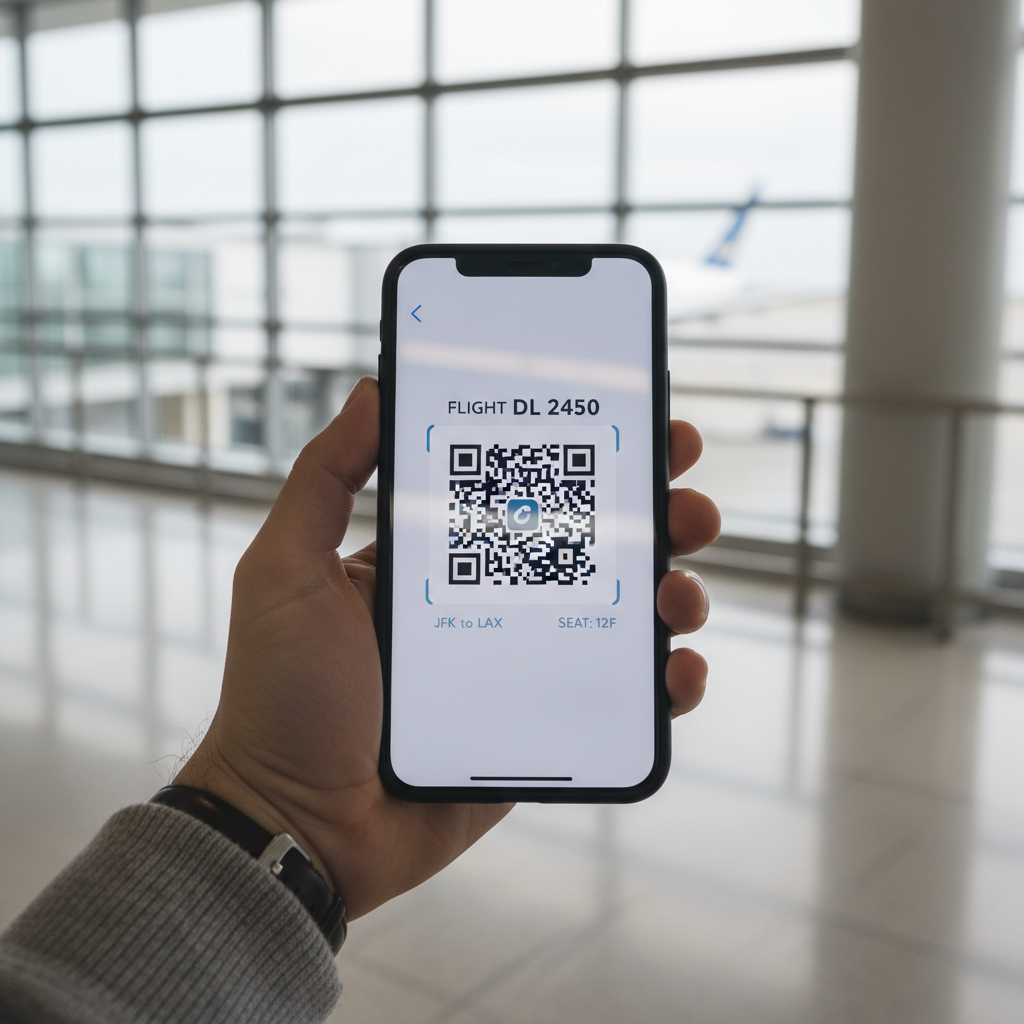
Digital tools are at the forefront of the transformation. From online booking systems to data analytics, DMCs are utilizing technology to streamline operations and improve efficiency. This shift is not just about adopting new tools but integrating them into the core of business processes.
Travel agents need to familiarize themselves with these tools to offer seamless experiences. By understanding how DMCs use technology to manage resources and personalize services, agents can better tailor their offerings to meet client expectations.
Data-Driven Decision Making
Data analytics is becoming a cornerstone of the digital transformation. DMCs are leveraging data to gain insights into traveler preferences and market trends. This information helps in making informed decisions regarding product offerings and marketing strategies.
Travel agents can benefit by accessing this data to understand customer behavior and preferences. By doing so, they can craft personalized travel experiences that resonate with their clients.

Enhanced Customer Interaction
Customer interaction is being transformed by digital platforms. DMCs now use social media and chatbots to engage with travelers in real-time. This leads to improved customer service and satisfaction.
For travel agents, leveraging these digital channels can enhance communication and provide timely assistance to clients. Embracing social media and other interactive platforms can help build stronger relationships with customers.
Virtual Reality and Augmented Reality
Virtual Reality (VR) and Augmented Reality (AR) are emerging technologies that DMCs are beginning to explore. These tools offer immersive experiences that allow travelers to preview destinations before booking.
Travel agents can use VR and AR to offer clients a glimpse of their potential travel experiences, making it easier for them to decide and increasing the likelihood of bookings.

Challenges and Opportunities
While digital transformation presents numerous opportunities, it also comes with challenges. DMCs and travel agents must navigate issues such as data privacy, cybersecurity, and the need for continuous learning and adaptation.
However, the benefits of embracing digital transformation far outweigh the challenges. By staying informed and adapting to technological advancements, travel agents can enhance their services and remain competitive in the evolving market.
The Future of Travel in Southeast Asia
The digital transformation of DMCs is set to redefine the travel landscape in Southeast Asia. With technology driving change, the region is poised to offer more personalized and efficient travel experiences.
Travel agents who understand and embrace these changes will be well-positioned to thrive in this dynamic environment, ensuring they meet the evolving needs of their clients.